A field guide for Hilltop lower levels
Track a Hilltop basement smell to its source before anyone treats the air
Air fresheners, a new dehumidifier, one round of ozone, and the smell still greets you on the stairs. Work through the suspects in order (gas, water, drains, animals, residue) and you will know what to fix, and who to call, before you pay anyone to treat the air.
Draft preview. This is an independent guide. No business has been verified behind it, and it takes no calls or requests yet.
The method
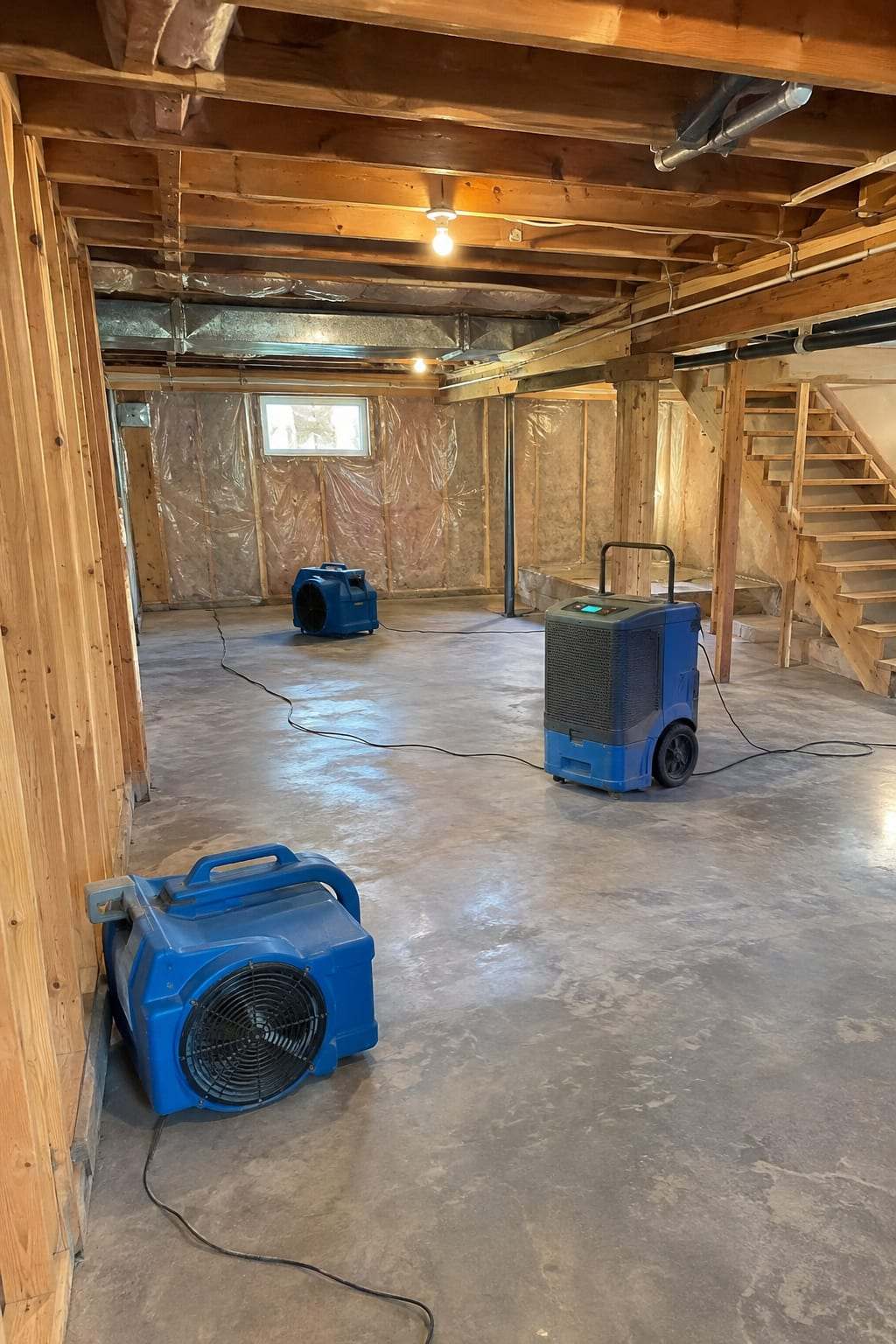
Cross suspects off a list, starting with the ones that can hurt you
A basement smell has a short list of usual causes: wet or once-wet materials, mold on stored boxes, a floor drain whose water seal dried out, a mouse that died in a joist bay, or a skunk that sprayed by a crawl space vent. Each one needs a different repair. That is why a scented spray and a weekend of scrubbing rarely last.
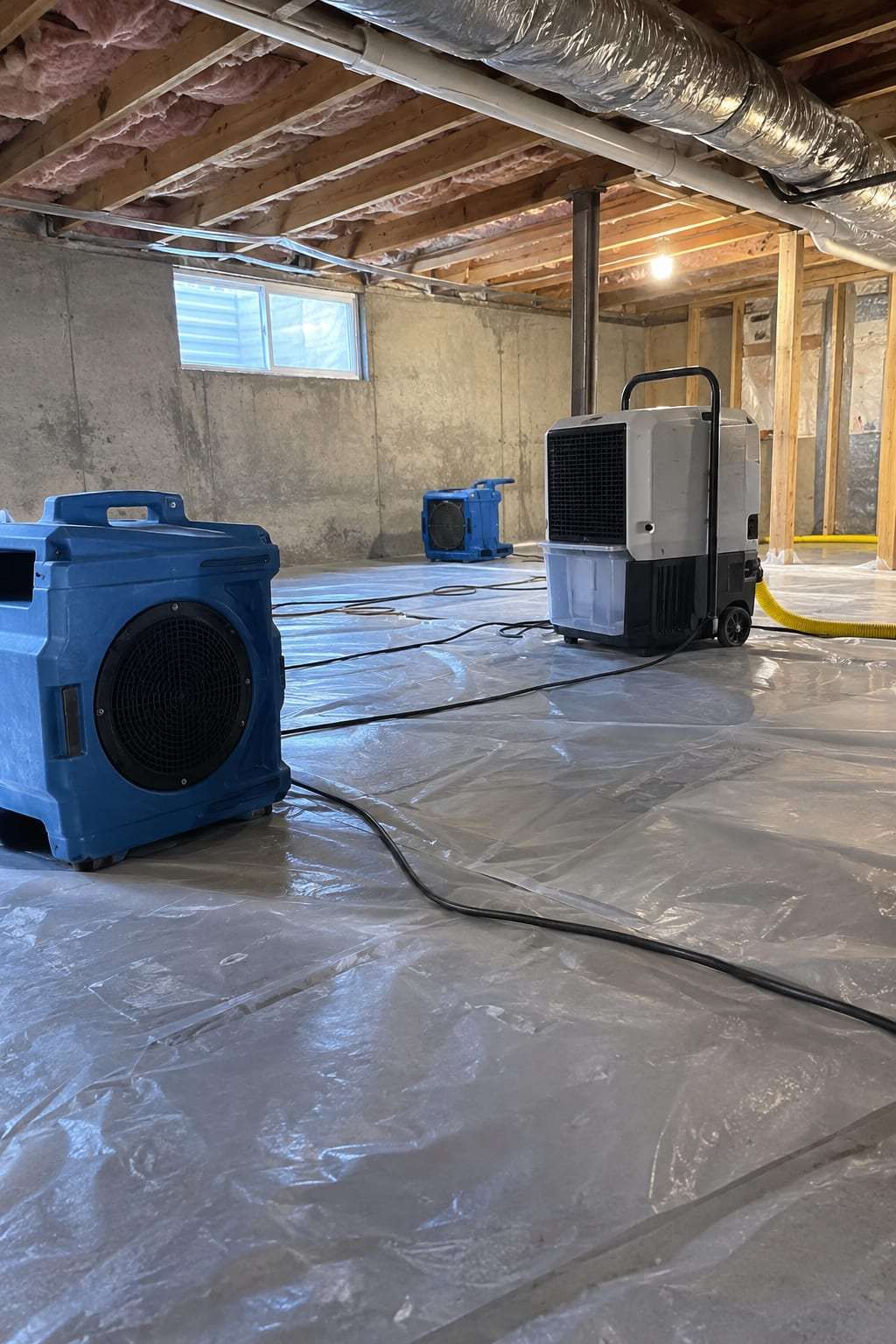
Check the causes in a fixed order and stop when one explains the smell. If the answer turns out to be a pipe or a leak, a plumber or a waterproofing contractor comes first. Odor treatment earns its place only after the source is gone.
- Gas, burning, electrical
Anything that smells of fuel or hot wiring goes to the gas utility or an electrician before you do anything else.
- Water
Take a humidity reading, then hunt for leaks, seepage along one wall, and condensation on cold pipes.
- Drains
Refill every trap. Check the floor drain, the laundry standpipe and the lid on any ejector pit.
- A dead animal
Flies, a stain on drywall, or a smell that shifts over a few days all point here.
- What's left: residue
Odor soaked into carpet, pads, framing or ducts. This is the part odor treatment can fix.
Read the clue
What your nose is telling you
A smell narrows the search. It does not settle it. Two of these mean calling someone other than an odor company, today.
- Musty, earthy
Moisture. Damp crawl space soil, wet framing, or mildew on stored boxes.
Take a humidity reading and look for damp spots first.
- Rotten eggs, sewer
A floor drain or sink trap that dried out, or a cracked drain or vent pipe.
Refill every trap. If it returns in days, call a plumber.
- Sweet, sickly, getting worse
An animal that died inside a wall, a joist bay or the crawl space.
Look for flies or a stain. A wildlife or pest pro removes it.
- Stale smoke
Old tobacco residue in finishes or ducts, sometimes left by a previous owner.
Surface and duct cleaning, then odor treatment.
- Fuel or solvent
Stored gas cans or paint, or a problem with heating oil or a fuel line.
Air it out and remove the product. If it is unexplained, call the gas utility.
- Hot, electrical, burning
An appliance or a wire that is overheating.
Switch the appliance off and call an electrician. This is not an odor job.
Five smells and where each one tends to start
- Musty or earthy. damp framing, mildew on cardboard, or bare soil in a crawl space.
- Sewer or rotten egg. a dry drain trap, a failed toilet wax ring, or a blocked plumbing vent.
- Sweet, sickly and sudden. a rodent that died inside a wall, ceiling or crawl space.
- Sharp and sulfurous by a vent. skunk spray at the foundation or crawl space opening.
- Stale and stuffy. still air and old odor soaked into carpet, pads and upholstery.
Before you call anyone
Four checks you can run tonight
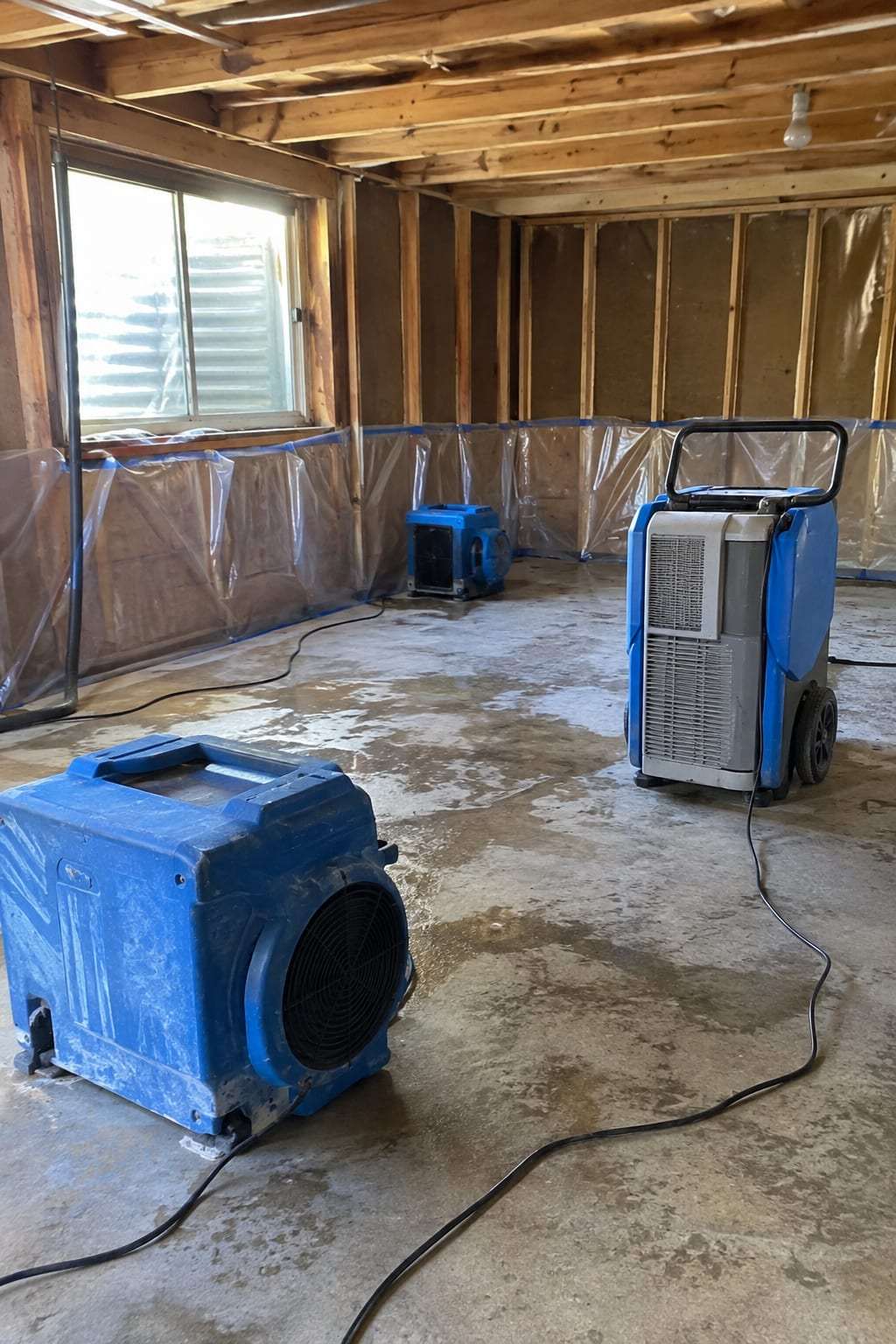
No tools beyond a flashlight, a jug of water and a hygrometer. Each check rules a suspect in or out.
- Check 1
Pour a quart of water into every floor drain and any sink or shower nobody uses. A dry trap is the cheapest fix there is.
- Check 2
Set an inexpensive hygrometer on the basement floor for two days. Steady readings above 60% point you toward moisture.
- Check 3
Write down when the smell peaks: after rain, when the furnace kicks on, or first thing in the morning.
- Check 4
Walk the crawl space vents and utility corners with a flashlight. Look for droppings, flies or a dark stain.
Smell gas or something burning? Leave the house and call the gas utility or 911 from outside.
Hiring someone
What a careful odor investigation looks like
Use this as a yardstick for any provider you consider. Each step narrows the field before anyone sprays, fogs or seals anything.
-
Listen
When it started, when it peaks, what you already tried and what changed in the house that month.
-
Look
Drains, stored boxes, walls, the crawl space, and the ducts that carry basement air upstairs.
-
Name the cause
One source, in writing. If it is a pipe or a leak, a plumber or remediation contractor goes first.
-
Treat what remains
Materials and air get treated once the underlying problem is repaired, and not before.
-
Check it held
A return visit or a smell log a few weeks later confirms the result and covers prevention.
A careful provider asks what the smell is like, when it peaks, and what the basement and crawl space have been through. Ask whether they inspect before they quote, and get the scope and the price in writing. Hiring FAQs
Hilltop, Denver
Two kinds of Hilltop house, two kinds of smell
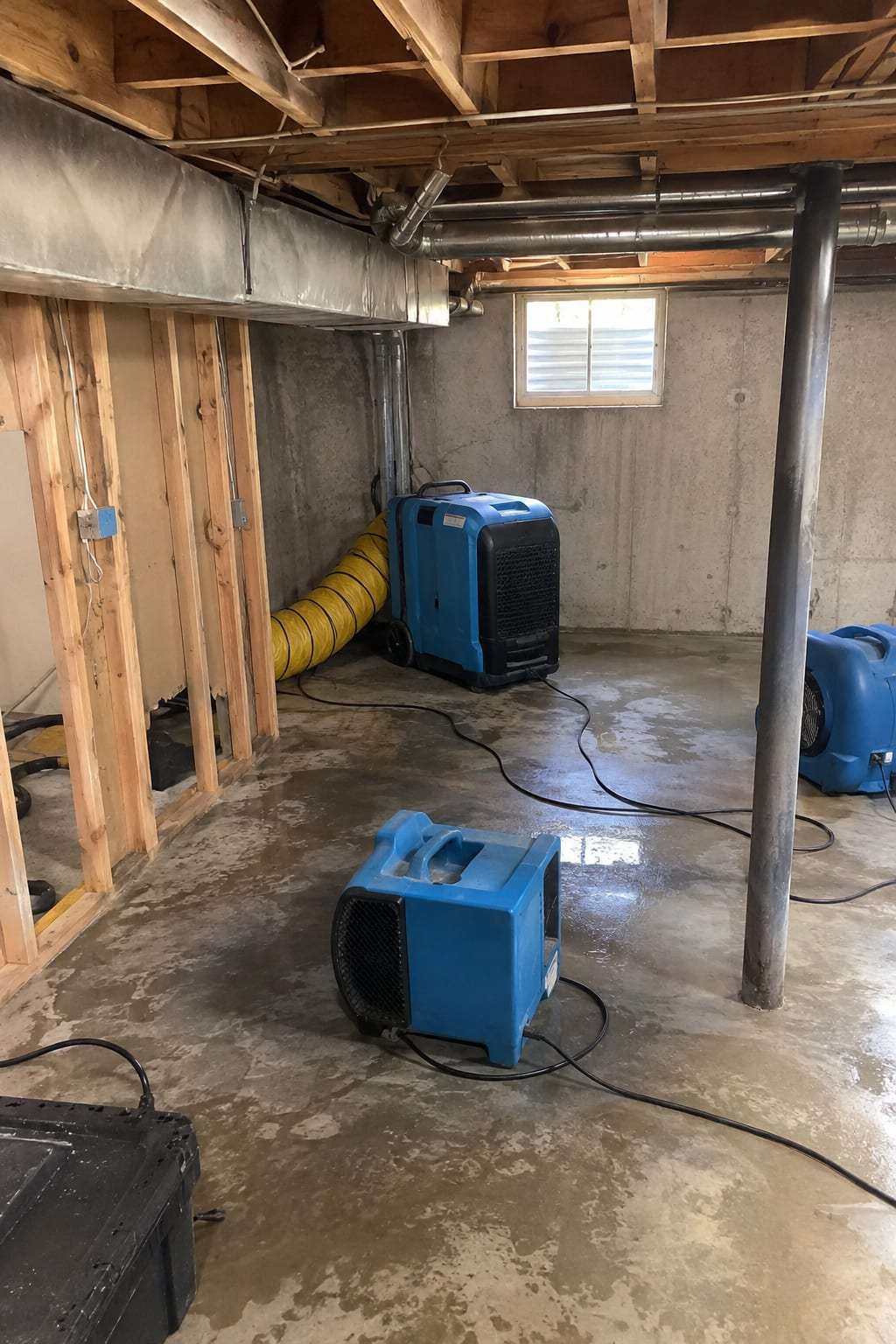
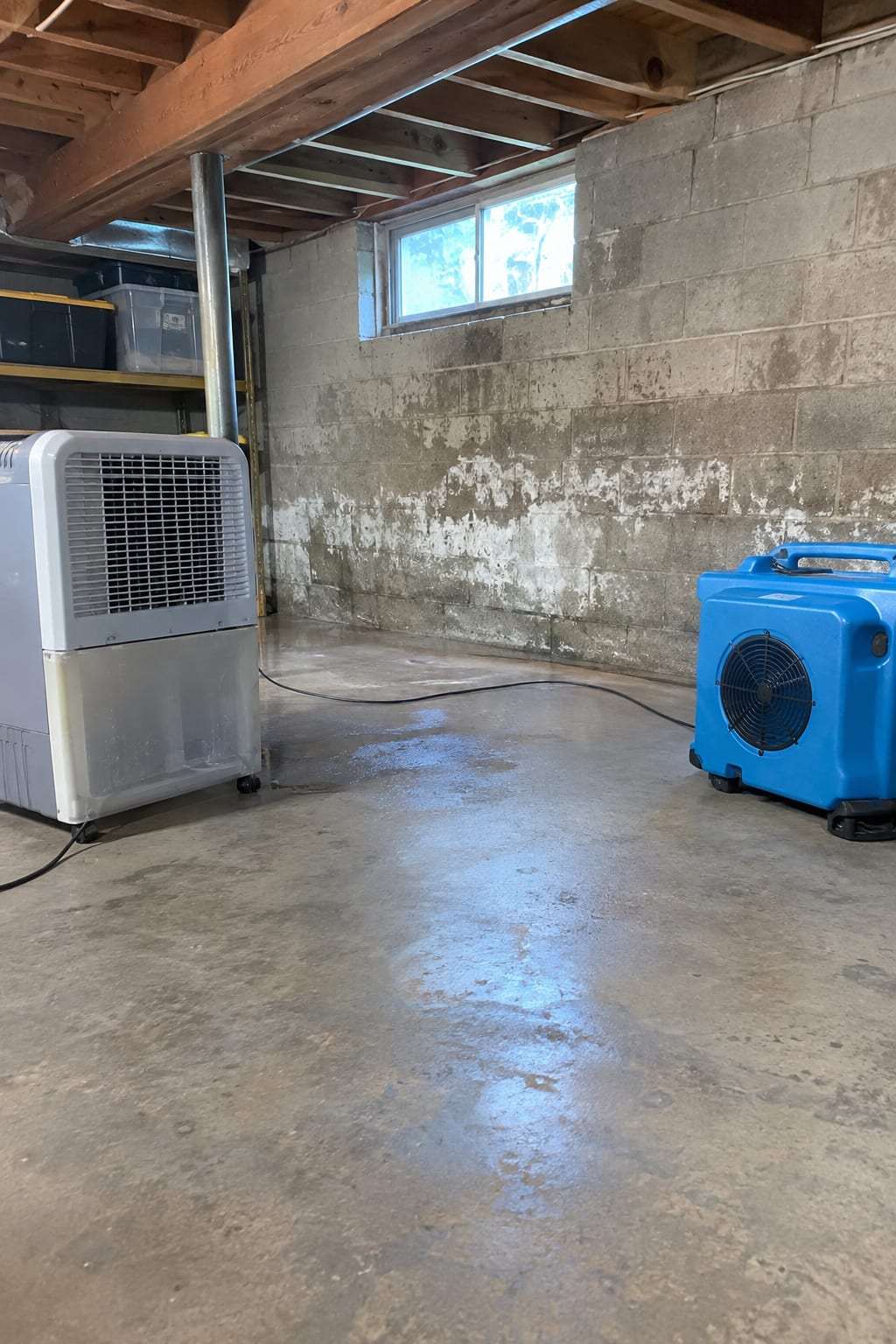
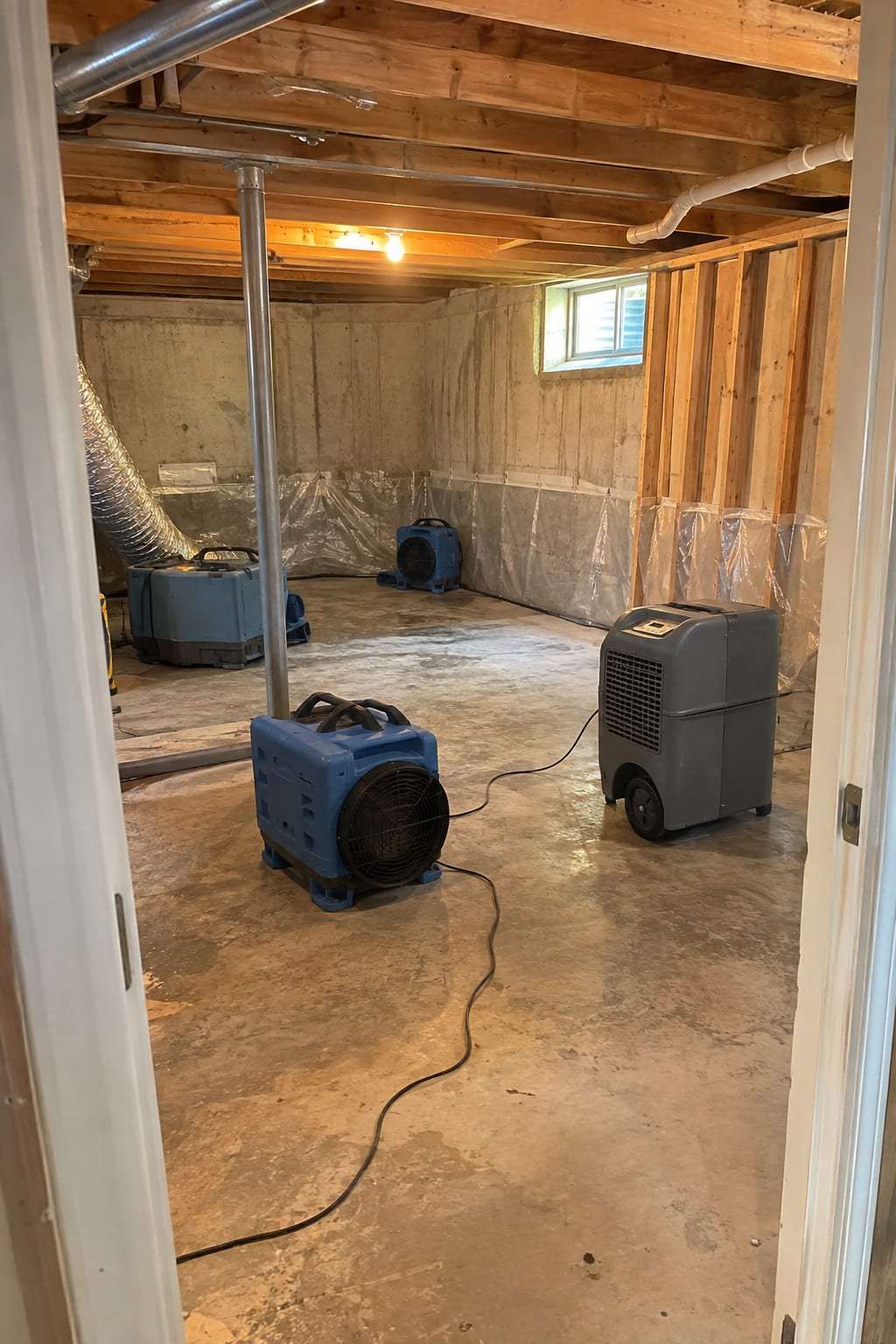
Hilltop mixes 1940s and 1950s brick homes with large new houses built on the same lots. The older ones keep original cast-iron drains, crawl spaces under later additions, and plumbing that is half updated. The new ones often hide a big finished lower level with a bathroom and a wet bar that sit unused for months.
The older house tends to smell of damp soil and old pipe. The newer one tends to smell of a dry trap or an ejector pit lid that no longer seals. Knowing which house you live in tells you where to start.
- Crestmoor, Lowry and Cherry Creek share the same mix of mid-century and rebuilt homes.
- Run water through any basement drain nobody uses, once a month.
- Fix a leak or mold before paying for odor treatment. A sudden, covered leak may make part of the work insurable.
- Glendale and Congress Park houses raise the same drain and crawl space questions.
ZIP codes covered: 80246 (Denver), 80220 (Denver), 80206 (Denver), 80230 (Denver), 80209 (Denver).
Also nearby: 80224, 80218, 80247, 80203, 80207, 80222, 80210, 80205, 80231, 80010, 80223, 80202, 80238, 80012.
Find the water, the drain or the animal first. Treatment only works on what is left over.
Go one suspect deeper
Guides, checklists and neighborhood notes for Hilltop basements and crawl spaces.
- Guides
Each guide follows one likely source through a central or east Denver house: the ejector pit under a new basement bath, a cracked cast-iron drain under a 1950s slab, the cold room tucked beneath the front stoop, a return duct that pulls crawl space air upstairs.
- Checklists
Keep a smell log for two weeks.
- Neighborhoods
A 1920s brick foursquare in Congress Park, a 1950s Crestmoor ranch, a Lowry townhome on former air base land and a Glendale condo tower each send a musty smell search to a different first stop.
Why does my basement smell like sewer only some of the time?
The usual culprit is a floor drain or a fixture nobody uses. Its trap dries out and lets sewer gas through. Pour water in to refill the seal. If the smell comes back within days, have a plumber check the vent and the seals.
Can a dead animal cause a basement smell?
Yes. Mice and rats die inside walls, ceilings and crawl spaces, and the odor can last for weeks. Finding and removing the animal, where you can reach it, followed by treatment, ends it sooner.
What if the smell is mold?
Active growth needs proper remediation and a fix for the moisture that fed it. Odor treatment comes after, for whatever smell lingers.
Can crawl space air reach the rest of the house?
Yes. It rises through gaps around pipes and wires and gets pulled in by return ducts. Deal with crawl space moisture and odor at the source, or the rooms above keep smelling it.
Will an air purifier fix it?
A purifier lowers some airborne odor. It does nothing to the source, so treat it as a stopgap while the cause gets repaired.
Will I have to leave the house during treatment?
Some whole-space treatments mean staying out of the treated area for a while. Ask how long before you book.
Can an odor company tell me if the smell is making my family sick?
No. Odor work finds and treats sources. It is not a health diagnosis. If someone in the house has symptoms, talk with a doctor. If you suspect mold, book a separate mold assessment with a qualified professional.
Still can't find it?
Refill the traps, log the humidity, and write down when the smell peaks. If you smell gas or burning, leave the house and call the utility or 911. Then hire an odor provider you have vetted, and make sure they look in the crawl space too.
Draft preview. “Hilltop Basement & Crawl Space Odor” is a working name for this website, not a registered or verified business. It is not affiliated with any other company. No calls, messages or form requests are accepted until the operator, service coverage and contact details are verified.
Describe the smell
This form is not connected. This website is a draft preview: no business has been confirmed to receive requests, so the fields below are switched off and nothing can be sent. In an emergency, call 911.